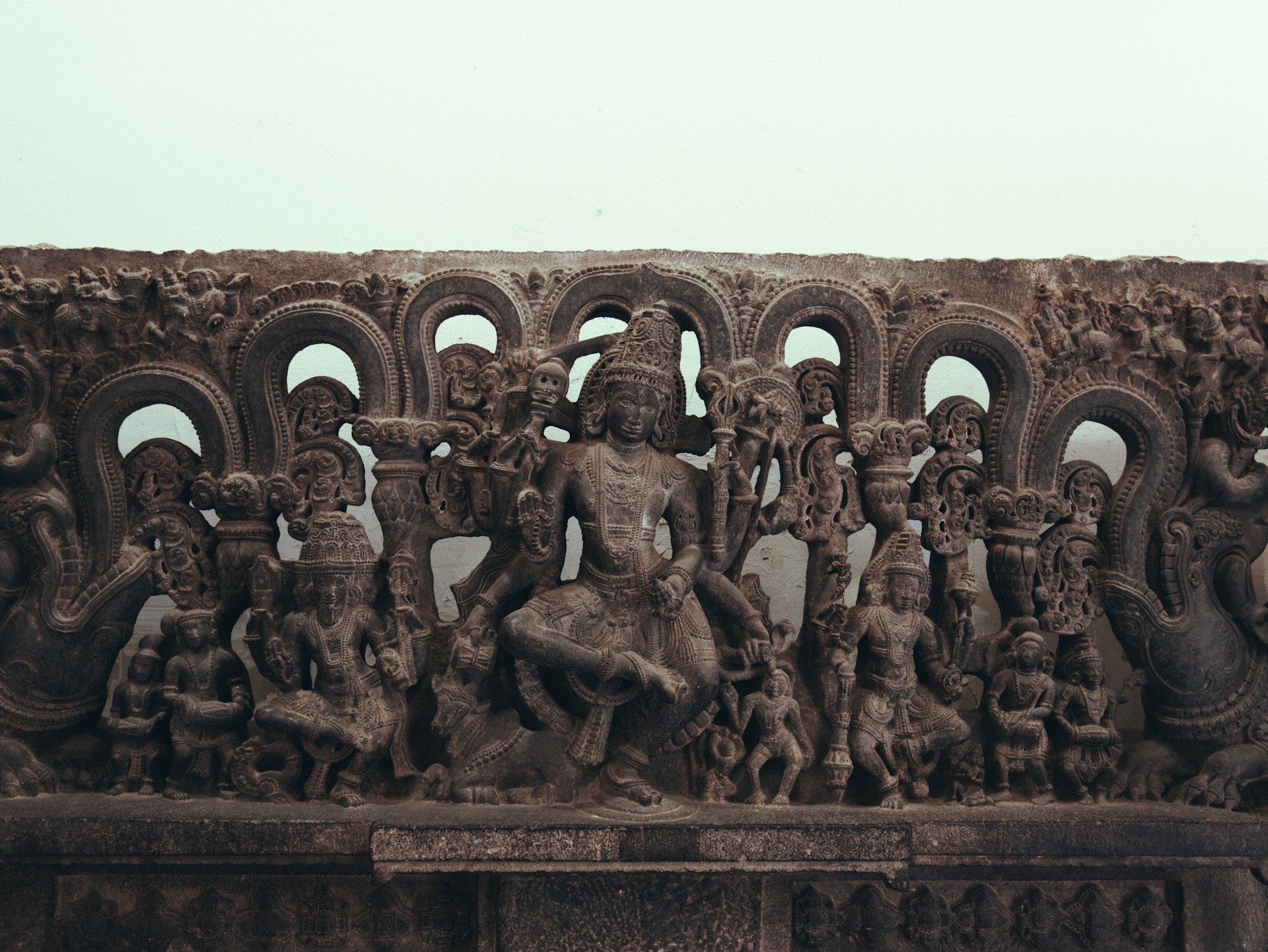
“What agreement has the temple of God with idols? For we are the temple of the living God; as God said, ‘I will make my dwelling among them and walk among them, and I will be their God, and they shall be my people.’”
(2 Corinthians 6:16 ESV)
When Paul writes these words, he isn’t inventing new language or introducing a radical break with Israel’s story. He is deliberately echoing Israel’s covenant promise.
The phrase “I will make my dwelling among them and walk among them” comes straight out of Leviticus 26:11-12, with an echo from Ezekiel 37. In those passages, God promises Israel that his presence will remain in their midst and that he himself will walk among them as their God.
Originally, that promise was spatial. God dwelt among Israel through the tabernacle, and later through the temple — located at the center of the people, in the midst of the qahal, the covenant assembly (translated into the Greek Septuagint translation of the Old Testament as ekklesia). God’s presence was tied to sacred space, a holy location set apart in the heart of the community.

From a tabernacle and a temple to a people
Paul now declares something astonishing: that promise has reached its fulfilled form. God no longer dwells in a building made of stone. He dwells in a people.
Through Messiah and the Spirit, the qahal / ekklesia itself has become the living temple. The covenant promise to Israel has not been cancelled or spiritualized away. It has been embodied by a people and expanded to include the nations. Every person who surrenders to Messiah Jesus is now part of this living temple, with each person being a living stone. I love how Peter explains this in his first epistle:
“And you are living stones that God is building into his spiritual temple. What’s more, you are his holy priests. Through the mediation of Jesus Christ, you offer spiritual sacrifices that please God.”
1 Peter 2:5 (ESV)

God’s doesn’t want to share his spiritual temple with idols
That’s why Paul, in 2 Cor.6:16, also connects temple language to allegiance and holiness. If God truly dwells in this temple, then it cannot be shared with idols. This isn’t moralism, and it isn’t about rule-keeping for its own sake. It is about covenant identity.
Sacred space is no longer somewhere we go to. It is a community that God inhabits. The temple, then, has not been abolished but transformed. God has kept his ancient promise to dwell among his people, now by walking in the midst of a Spirit-filled, restored covenant community.
So the question is not simply what do we believe? It is where — and with whom — does God dwell?
How are you taking part in that covenant community, and how is your life reflecting the holiness and goodness of the God who walks among his people?




Leave a Reply