Genesis 25 offers a moment of quiet beauty often overlooked: Isaac and Ishmael, once divided by conflict, stand side by side to bury their father.
These two sons — shaped by tension, separation, and competing destinies — come together in a moment of shared grief. Their reunion is more than a family detail. It is a glimpse of the kind of reconciliation God delights to bring.
In this simple scene, we glimpse the future reality Paul would one day describe as the “one new man” in Messiah (Eph. 2:15). In Jesus, those who were once divided — Jew and Gentile, insiders and outsiders, even former enemies — are brought together into one restored family.
“Gathered to His People”: An Early Whisper of the Resurrection
Genesis says that Abraham “was gathered to his people.” This ancient phrase carries quiet but profound hope. Abraham is not described as lost, gone, or extinguished. He is gathered — joined to those who belong to God. Long before the prophets spoke clearly of a resurrection, the covenant story already hinted that God’s promises would not end in the grave.
The God who called Abraham is the God who keeps him — even beyond death.

Beer-lahai-roi: The Place Where Mercy Meets Promise
After the burial, Isaac settles at Beer-lahai-roi — “the Well of the Living One who sees me.” This is the very place where Hagar — Sarah’s Egyptian servant girl and the mother of Ishmael — once encountered God in her pain and cried out, “You are the God who sees me” (Gen. 16:13).
It is deeply symbolic that the heir of promise now dwells in the place where mercy was first shown to the outsider. God’s story of covenant was never meant to be narrow. It was always meant to overflow.
In Isaac living at Beer-lahai-roi, we see how broad God’s compassion is. It’s a reminder that the promise carried through Abraham’s family line was always meant to become a blessing for all nations.
A Picture of God’s Restoring Heart
This passage gives us a threefold picture of restoration:
• Reconciliation between brothers — even those with a painful history of strife.
• Hope beyond death — the covenant does not end at the tomb.
• Mercy that crosses boundaries — the Living One sees every outsider.
This is God’s heart. This is God’s story. And this is the story he invites us into.
May Our Lives Point to a Greater Restoration
As we reflect on Isaac and Ishmael standing together, Abraham gathered to his people, and Isaac dwelling where the Living One showed mercy, we are reminded:
The God who restores families can restore ours.
The God who brings life beyond death will raise us too.
The God who sees the outsider sees you — and calls you into his promise.
May we be a people who embody reconciliation, carry resurrection hope, and extend mercy across every boundary. And as we do, may our lives point toward the greater restoration that is coming when Messiah returns — the day when all things will be made new.
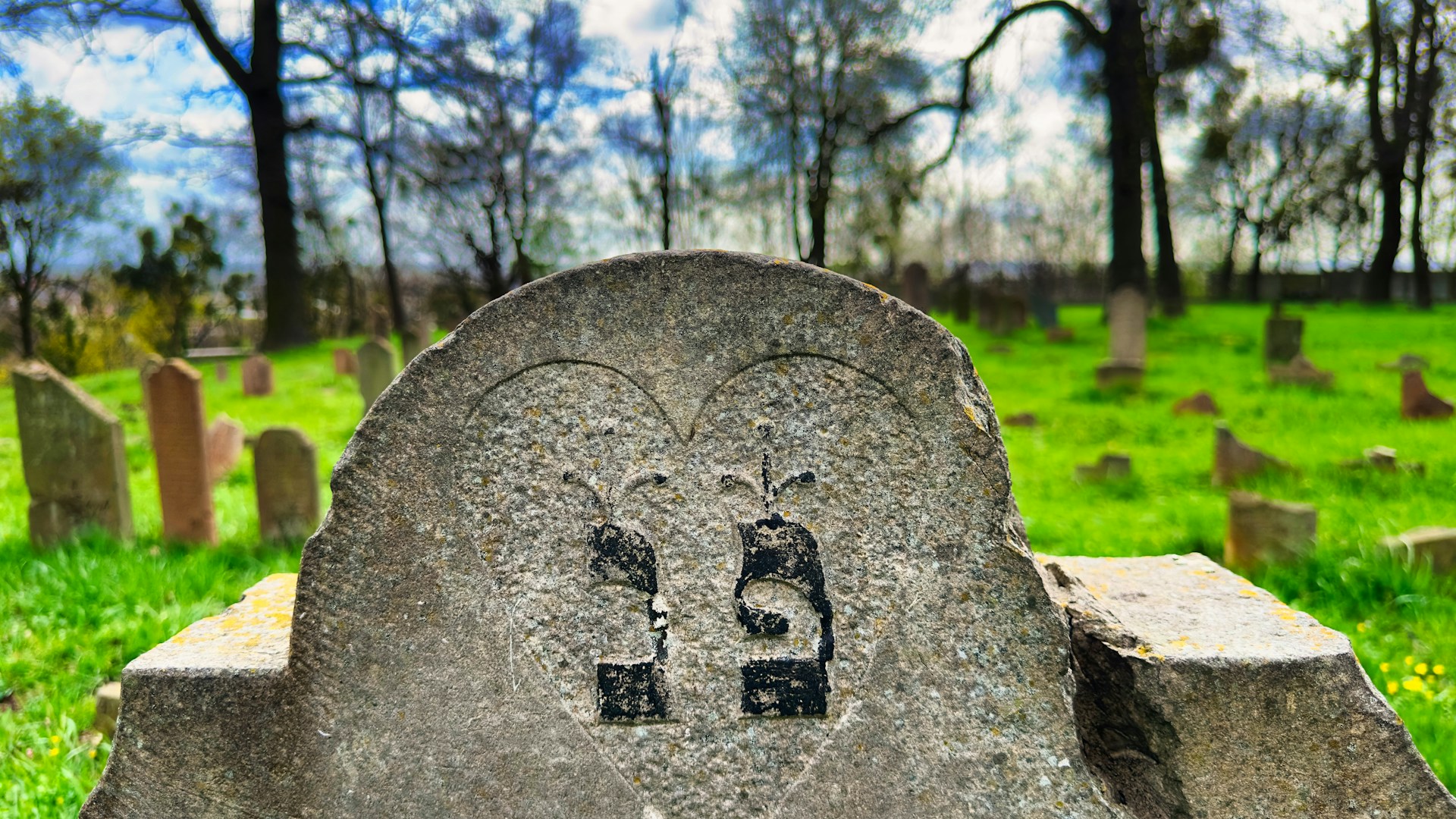
Featured image: photo by Marek Studzinski on Unsplash.


Leave a Reply