
Sometimes a teaching sounds fresh, compassionate, and liberating, until you realize it is simply an ancient error repackaged for a modern audience.
This past week, David de Vos published a post claiming that all people are children of God and implying that salvation belongs to everyone, regardless of repentance or faith. He even posed theatrically in front of a church door, hammer in hand, as if nailing a new set of theses for a new Reformation — casting himself as a modern Martin Luther. And, just beneath the emotional appeal and the complaints about how harshly other believers were “judging” him, there was the inevitable link to his webshop — strategically positioned to sell his new book Alle mensen zijn kinderen van God.
But universalism — this idea that everyone is ultimately saved — did not begin with David de Vos. Nor is it a bold new revelation. It is one of the oldest heresies the church ever confronted.

Origen and the Roots of Universalism
In the 3rd century, the brilliant but deeply conflicted theologian Origen taught that even the devil would one day repent and be restored. According to him, in the end God would save all beings — good, evil, and demonic — because divine love could not allow eternal judgment to stand.
The early church rejected this teaching decisively. Why? Because it undermined the necessity of repentance, the call to faith in Jesus, the reality of human responsibility and the meaning of the cross.
If everyone is already God’s child, and everyone will already be saved, then the gospel becomes little more than inspirational poetry. The cross becomes unnecessary. Holiness becomes optional. Mission becomes pointless.
And here lies the tragedy: what Origen once speculated in philosophical terms is now being rebranded as enlightened, tolerant Christianity — with a slick marketing strategy.

“Jesus Came for the World” — Yes, but…
David de Vos is right about one thing: Jesus came for the world (John 3:16). But the same verse adds a crucial qualifier: “that whoever believes in him should not perish but have eternal life.” The offer is universal; the outcome is not.
Only two verses later we read: “Whoever does not believe stands condemned already” (John 3:18). The New Testament never teaches universal salvation. It teaches a universal invitation. Grace is offered to all, but received by faith, through repentance. To preach anything else is to preach half a gospel — which is no gospel at all.
Why These Heresies Keep Returning
Heresies such as universalism always resurface when the Church forgets its Jewish roots. In the Hebrew Scriptures: covenant requires response, relationship requires repentance, belonging requires trust in God, and judgment and mercy walk hand in hand
Israel never believed that all nations were automatically God’s children. They believed that all nations were invited to come under God’s reign.
Jesus didn’t abandon Israel’s covenant framework — he intensified it and drew its meaning to its climax.
The early Jewish apostles called all people to repentance because they understood salvation within the framework of covenant, holiness, atonement, and allegiance to Israel’s Messiah. When Christianity becomes disconnected from this Jewish foundation, it drifts into philosophical systems — like Origen’s — or feel-good consumer spirituality — like today’s universalism.
We must return to reading Scripture in its original context, hearing the gospel through the ears of the people to whom it was first spoken.

Love Cannot Be Bought — and It Cannot Be Sold
There is something deeply troubling about proclaiming universal salvation while simultaneously building a platform on controversy. When someone stages a dramatic Luther-moment — hammer, door, parchment — and then turns the moment into brand-identity and book promotion, we are no longer dealing with prophetic courage but religious marketing.
Cheap grace sells because it demands nothing and promises everything.
But the gospel is not merchandise. It calls us to die to ourselves and be reborn as sons and daughters of the God of Israel.
A Call Back to the Faith Once Delivered
We do not need influencers nailing slogans to church doors. We need men and women who treasure the Scriptures, understand them from their Jewish background, proclaim repentance and forgiveness in Jesus’ name and refuse to trade truth for applause.
The gospel Jesus preached — and the apostles proclaimed — is far stronger, far deeper, and far more beautiful than the universalism now being marketed as compassion.
It is precisely because God loves us that he calls us to turn, to believe, and to be transformed.
Why I’m Writing About This
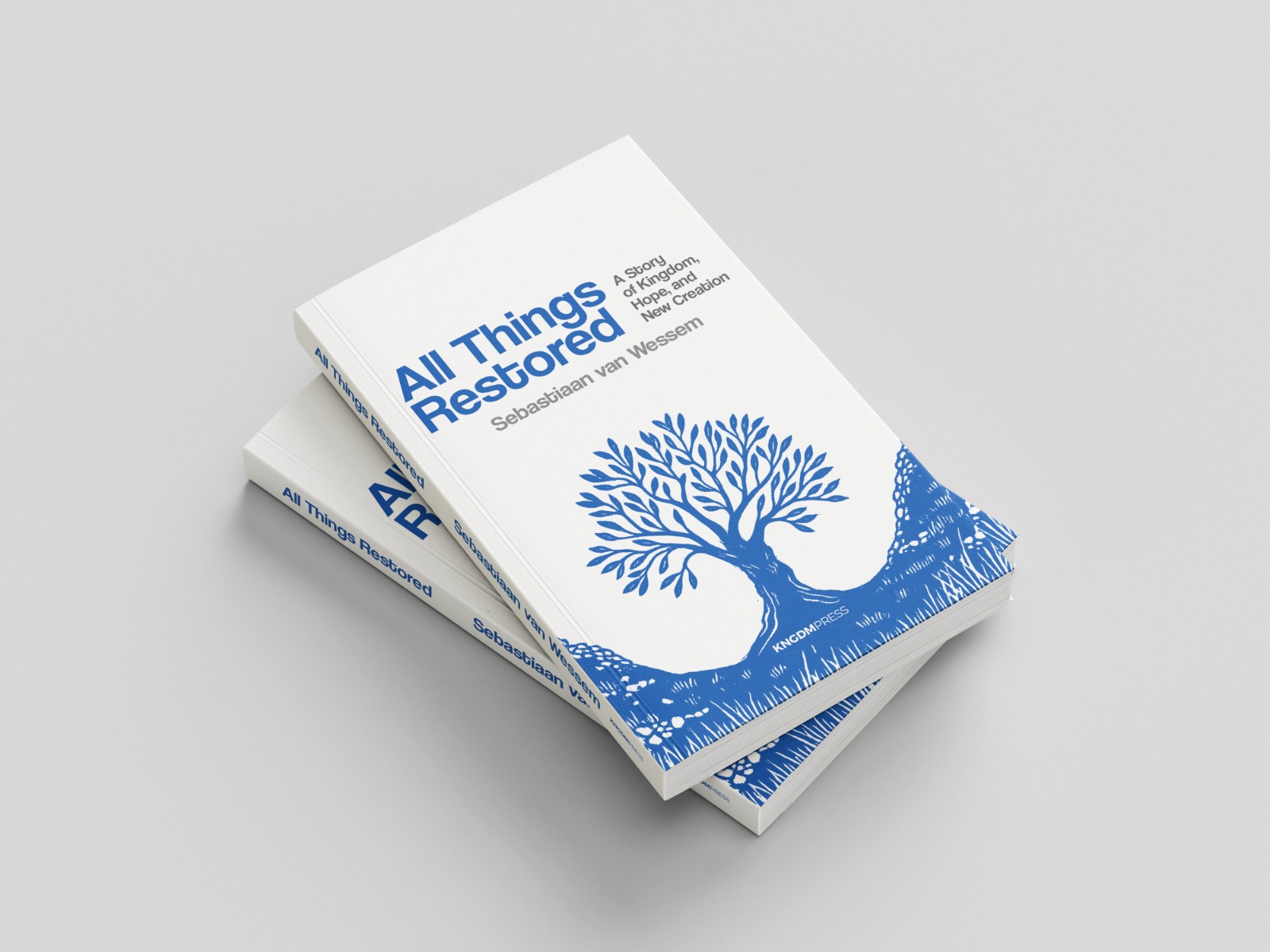
I am currently writing a book in both English and Dutch titled All Things Restored, exploring how God is renewing Israel, the church, and the nations through Messiah Jesus. One of the central themes is the need to recover the Hebrew worldview of Scripture so that we can recognize modern distortions — including universalism — for what they are.
We are not children of God by default.
We become children of God by grace.
Through faith.
Through Messiah.
That is good news.
And that is why it must never be replaced with something cheaper.



Leave a Reply