
Genesis 3 marks a turning point in the history of the world… and it’s not a good one. Let’s read verse 1:
Now the serpent was more crafty than any other beast of the field that the Lord God had made. He said to the woman, “Did God actually say, ‘You shall not eat of any tree in the garden’?” (Genesis 3:1 ESV)
God declared all creation good, and humanity—the crown of that creation—very good. Even the serpent, described here as crafty, was originally part of that good creation. But somewhere between his formation and this moment in Eden, rebellion entered his heart. Pride took root. Seeing the glory and authority with which God intended to clothe humanity, the serpent became jealous. Remember: humanity was created to be YHWH’s image on earth, called to rule and reign under him.
The serpent couldn’t handle the idea that another creature would reflect God’s likeness and share in his delegated dominion, so he sought to seize it for himself. Through deceit he lured the woman, and through her, the man, away from trust in their Creator. In that act of rebellion, the created order was overturned: humanity yielded their authority to the deceiver. Humanity was thrust out of the Garden of Eden and a long exile began in what Scripture later calls “the domain of darkness” (Col.1:13).
A Ray of Hope
Yet even in judgment, God gives a promise: A word of hope breaks into the wreckage of sin:
“I will put enmity between you and the woman,
and between your offspring and her offspring;
he shall bruise your head,
and you shall bruise his heel.” (Genesis 3:15 ESV)
This verse says that the woman’s offspring will crush the serpent’s head. The early church called this verse the Proto-evangelium—the “first gospel.” Here, at the very dawn of human failure, God already hinted at his plan of redemption. The serpent would strike the heel of the promised seed, inflicting suffering, yet the seed of the woman would give the decisive blow.
This is the story that unfolds in the rest of Scripture. The promised offspring is Jesus the Messiah — the true and perfect image of God — who through his death and resurrection began restoring all that was lost. The cross, where his heel was “bruised,” becomes the place of the serpent’s defeat. There, the curse begins to lose its grip, and the way back to life in God’s presence begins to reopen.

God’s Grace Always Runs Deeper
Our disobedience always impacts the world around us, but God’s grace always runs deeper. From the first garden — Eden — to the hill of Golgotha — and finally to the garden-like city of the New Jerusalem — his purpose remains: to restore creation and dwell with his people once again.
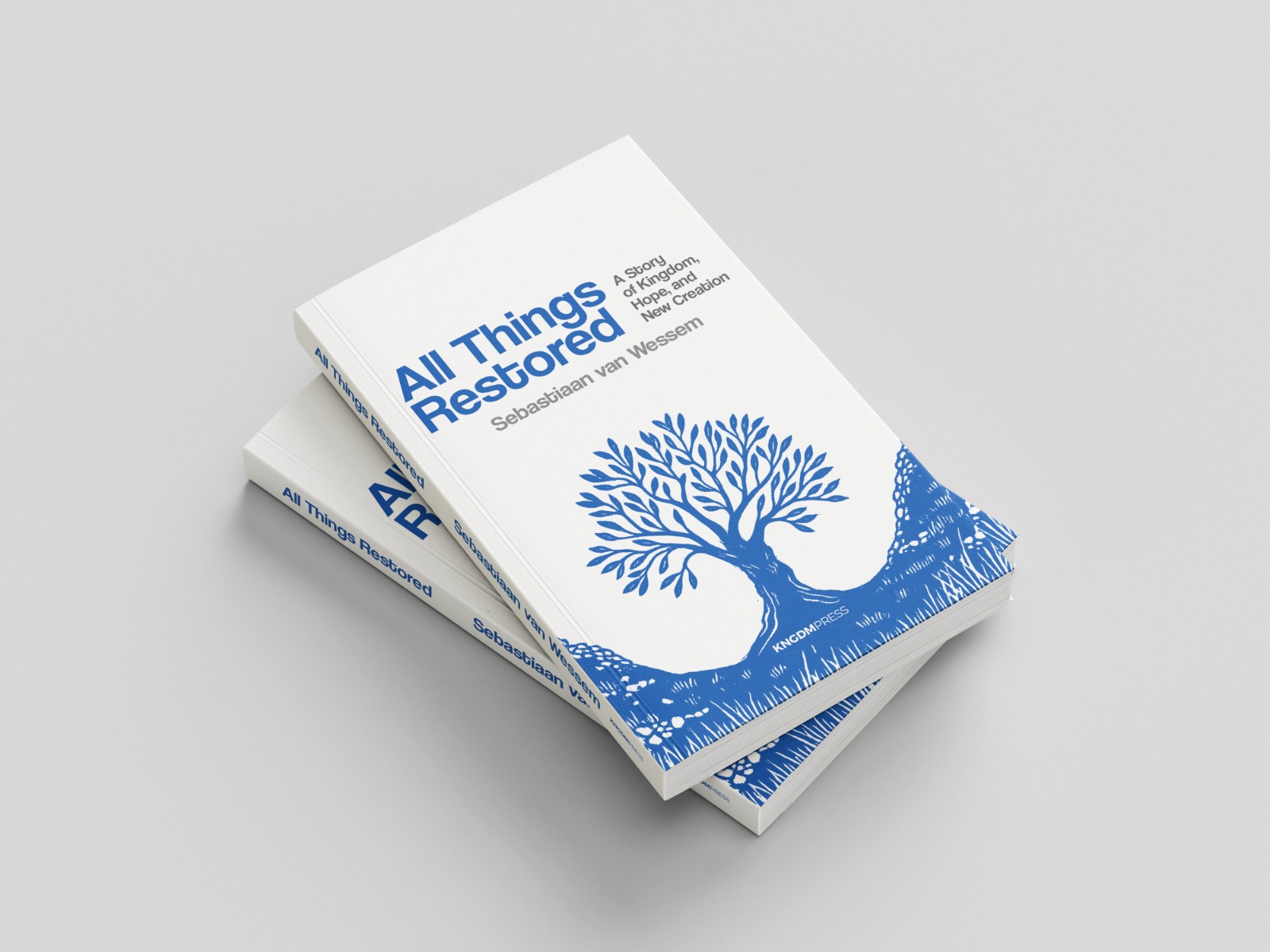
As I continue writing my book on the story of restoration, I see threads like this woven throughout the Bible — from the Garden of Eden to the New Jerusalem — each one pointing to the renewal of all things (Acts 3:21). Jewish tradition calls this tikkun olam — the mending of the world. That is the hope toward which all of history moves: Eden restored, the serpent crushed, and creation healed under Messiah’s reign.
Featured image by Michael Jerrard on Unsplash
Image of the cross by Jonas Allert on Unsplash


Leave a Reply