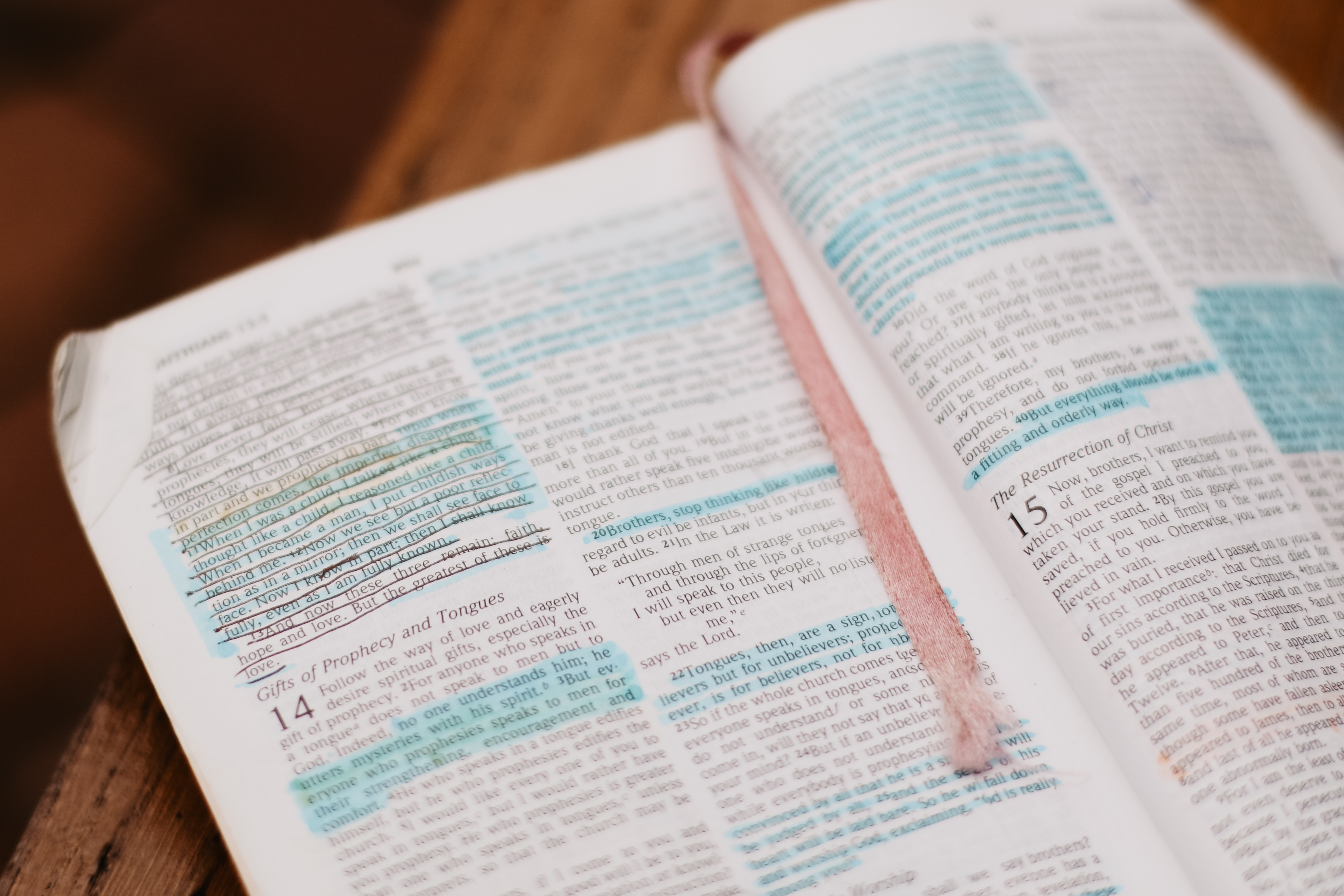
I am fairly new to the whole idea of Disciple Making Movements (DMM) and the Discovery Bible Studies (DBS) that are the prime mechanism of those DMMs. In our church, Celebration Church Netherlands, we decided to refer to those DBSes as Shema Bible Studies (SBS), because the Hebrew word “shema” has this double connotation of “hearing” and “believing”, and this is exactly the discipleship goal of these Bible studies!
As you may know, I am pioneering again. We are in the process of starting a new church location for Celebration Church in the city of Almere. We started a first SBS group in May 2023 and read through the letter to the Ephesians. It was a great experience. That group is now studying the book of Acts.
On September 25, 2023, I kicked off a second SBS on the first 12 chapters of Genesis. Those chapters, in my opinion, are foundational to understanding the whole Bible. Besides a few other committed believers in Jesus, I invited a couple of neighbors. So we have a wonderful mixed group of about 10 people who are eager to go on a journey of discovery.
What Makes a Shema Bible Study So Effective?
There are three “components” that make these SBSes so effective, in countries where there is persecution, such as in Iran, but also in our context where the pressure on Christians keeps growing:
- Studying the Biblical text in its own context
- The community dimension (we read the text together, we go on a journey together)
- The Holy Spirit (he needs to lead us into the full truth!)
Homework
I often send “homework” to the participants through our WhatsApp group: 1) the passage they need to read; 2) any relevant (short) videos or articles that augment our understanding of the passage. I prefer to use resources that are produced by trustworthy, Bible-believing scholars, yet are easy enough to understand also for beginners.
Flow of a Bible Study Meeting
This is how we run our meetings:
- We start with a short prayer
- We may show one of the most crucial videos that I already sent as homework, to refresh everyone’s memory
- Someone will read the chapter that was assigned for the day
- Someone else will summarize the chapter and highlight what he or she believes to be the main points
- The others will then chip in the things they saw in the text
- The role of the facilitator is make sure: 1) we don’t go off on unnecessary rabbit trails; 2) we stick to the text instead of too many personal stories; 3) steer towards the points in the text that the facilitator feels are important
- Then try to end up discussing the main point you feel we need obey and work out in our own lives
- End with prayer, so that everyone will get the strength they need to obey what the text is teaching us, and for personal needs
The meeting should not run longer than 1.5-2 hours. Be sure to follow this series and find out which resources I am using as we conduct this SBS!
What are the things you learned in using the DBS / SBS approach? Please comment below!
Photo by madeleine ragsdale on Unsplash



Leave a Reply